Brown collection
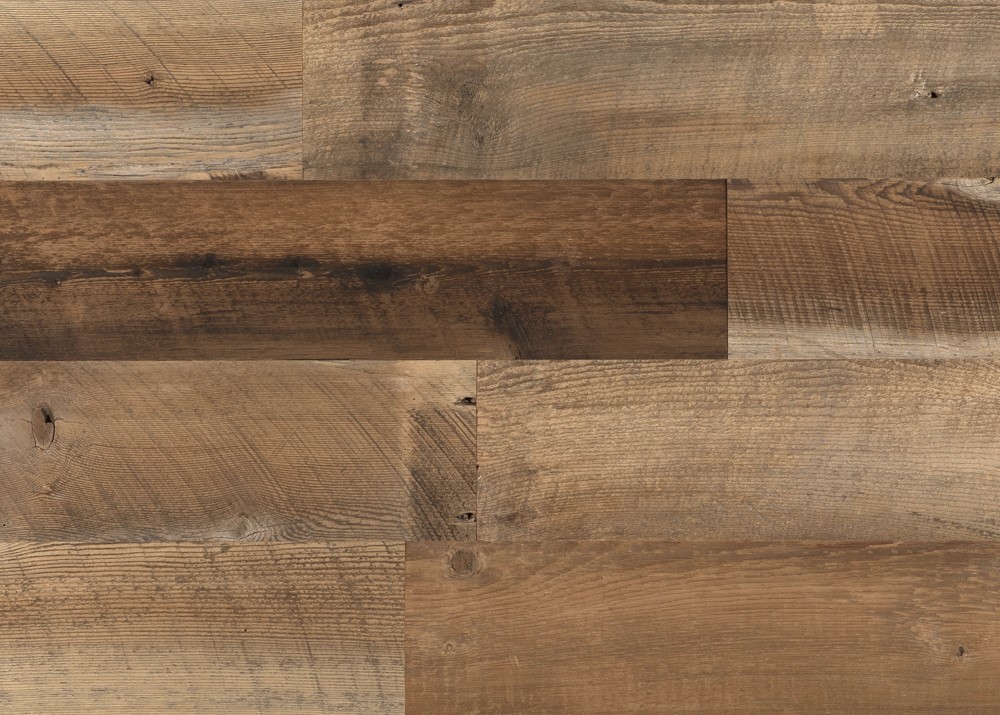
Brown reclaimed wood planks, 3.5 in
- Width
- 3.5 in
- Color
- Brown
- Coverage
- 20 sq ft per box
$11.75
$10.25 per sq ft
Sale
$205.00 per box (20 sq ft)
Our planks
Real barn wood from barns that stood for a century or more, cut to 3.5 or 5.5 inch widths and packed 20 square feet to a box. Pick brown or grey, order by the box, and it ships from Pennsylvania the next business day.
Two colors, two widths. Every box covers 20 sq ft of random lengths up to 48 in, about 3/8 in thick, so it goes over drywall without a fuss. Prices are per square foot; the box price is what the cart charges.
Brown collection
$11.75
$10.25 per sq ft
Sale
$205.00 per box (20 sq ft)
Brown collection
$12.50
$10.75 per sq ft
Sale
$215.00 per box (20 sq ft)
Grey collection
$13.50 per sq ft
$270.00 per box (20 sq ft)
Grey collection
$14.50 per sq ft
$290.00 per box (20 sq ft)
Need more than one box? Add it from the product page, where quantity counts in square feet (20, 40, 60 and so on).
Measure the wall in feet. We add 10 percent for cuts, round up to whole boxes, and price it in all four planks.
Prices come straight from the product pages. Short boards are part of every box and finish the row ends, so 10 percent extra is normally plenty.

Brown
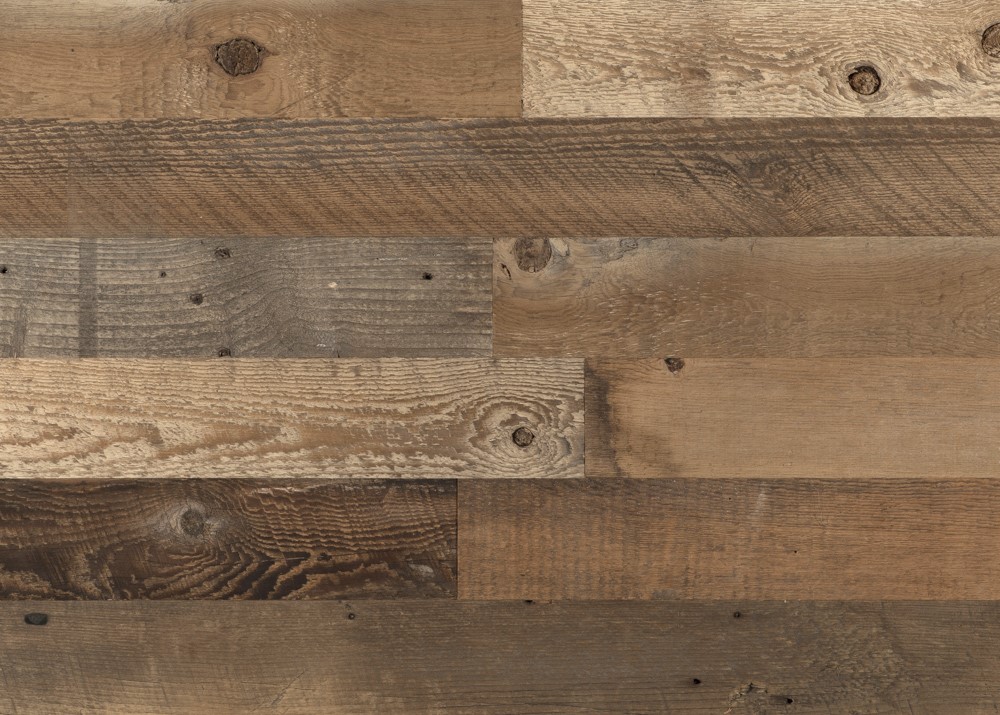
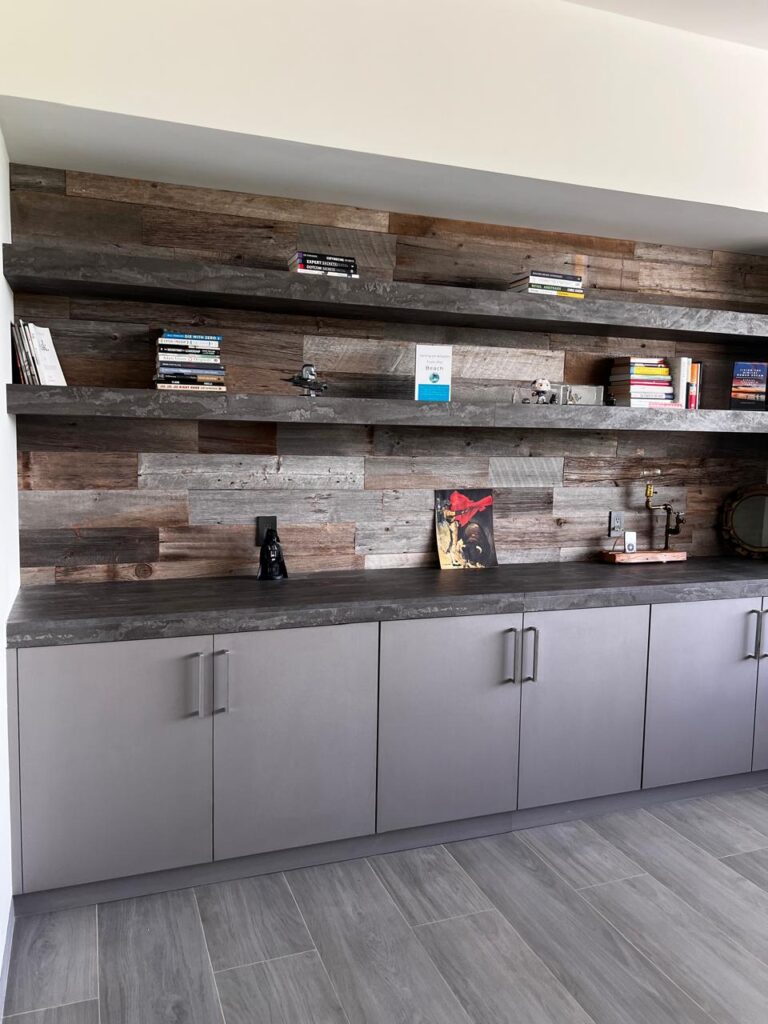
Brown is the inside face of the barn board. A century out of the weather left it honey and caramel with a few darker chestnut boards, and the old nail holes and saw marks are there but faint. Most customers buy brown for living rooms, bedrooms and TV walls, where they want the room warmer without feeling darker.
The 3.5 in plank puts more lines across the wall and suits smaller spaces. The 5.5 in plank has fewer seams and reads calmer on a big wall.
Grey
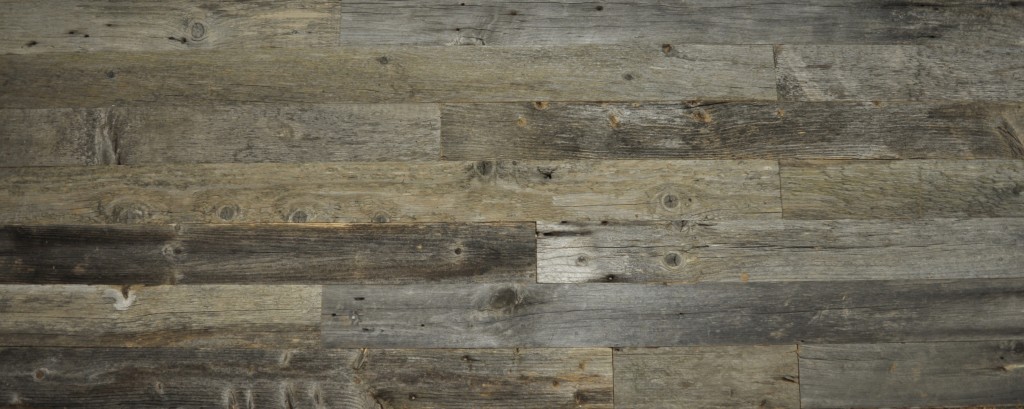
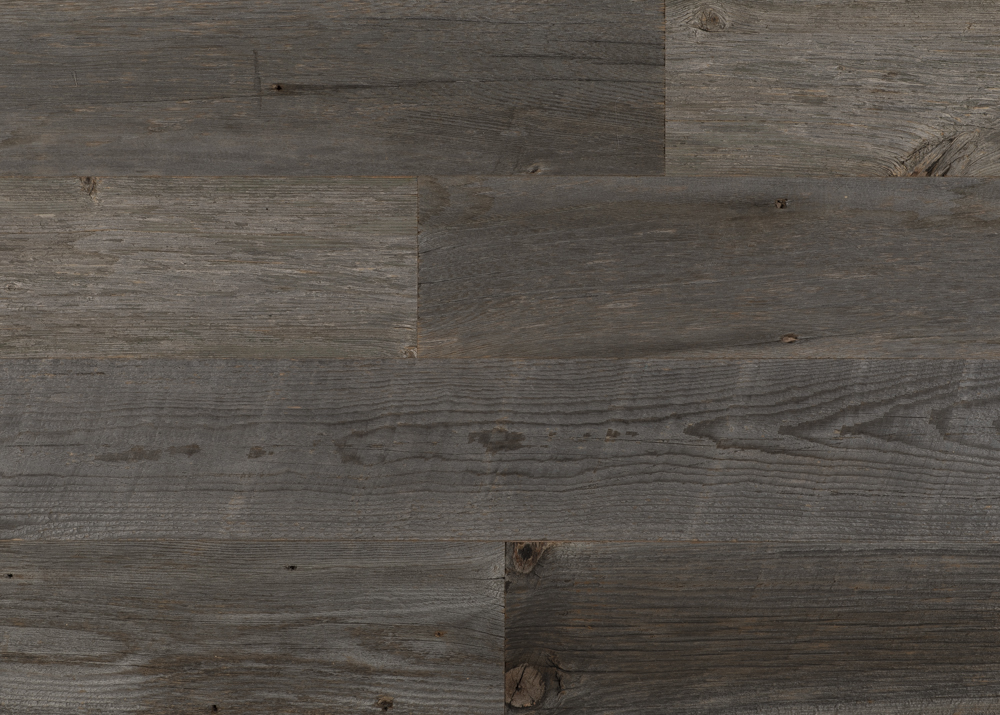
Grey is the outside face of the same boards. Decades of sun and rain turned it silver and taupe, nothing is stained or painted to get there, and that's why there's less of it and why it costs a little more per box. It suits coastal, modern farmhouse and industrial rooms, and it's the one designers ask for next to white, black and natural oak.
Keep an install to one color: a grey wall and a brown wall in the same house look great, mixed boards on one wall look busy. If you plan to seal grey, test one board first, because every sealer darkens it.
Construction adhesive does the holding. A brad or two anywhere on the board keeps it still while the glue sets, so you never need to find a stud. Most accent walls are done in an afternoon.
Leave the opened boxes in the room for two or three days so the wood settles to the house.
Spread the boards on the floor, mix the shades, and plan a brick stagger with seams well apart from the rows above and below.
A wave of adhesive on the back, press to the wall, then a brad or two wherever is handy to hold it while the glue grabs.
Start at the bottom. Short pieces finish each row, and sanded ends make a clean stop at a corner or a plumb line.
Authentic 100+ year barn wood, random short lengths, brick-pattern stagger.
Explore Ceilings →Safe around modern gas inserts. TV-above-the-fire layouts. Firebox surround to full vaulted wall.
Explore Fireplaces →Multiply width by height in feet, add 10 percent for cuts, divide by 20 and round up. A 10 by 8 ft wall is 80 sq ft, 88 with the overage, so 5 boxes. The calculator above does the math for all four planks.
No, we stopped selling sample boxes. A couple of boards can't show the spread of shades across a 20 sq ft box, so the honest way to judge the color is one box. The photos on this page are real walls, not renders, and uninstalled wood in its original packaging can come back within 7 days of delivery (10 percent restocking fee, you pay the return shipping).
Go 3.5 in for small walls, nooks and bathrooms, where more lines mean more texture. Go 5.5 in for a big feature wall, a ceiling or a fireplace, where fewer seams look calmer and the install goes faster. Same thickness, same lengths, same box; the wider plank costs a little more.
Bathrooms, yes: where the wall gets splashed, give it a few coats of clear matte polyurethane first and test on one board. Outside, glue the planks to a rigid backing such as exterior plywood, then stain and seal; a thin plank on its own won't survive wet and dry cycles.